Investing in Bastia: Neighbourhoods and Annual Rental Yield
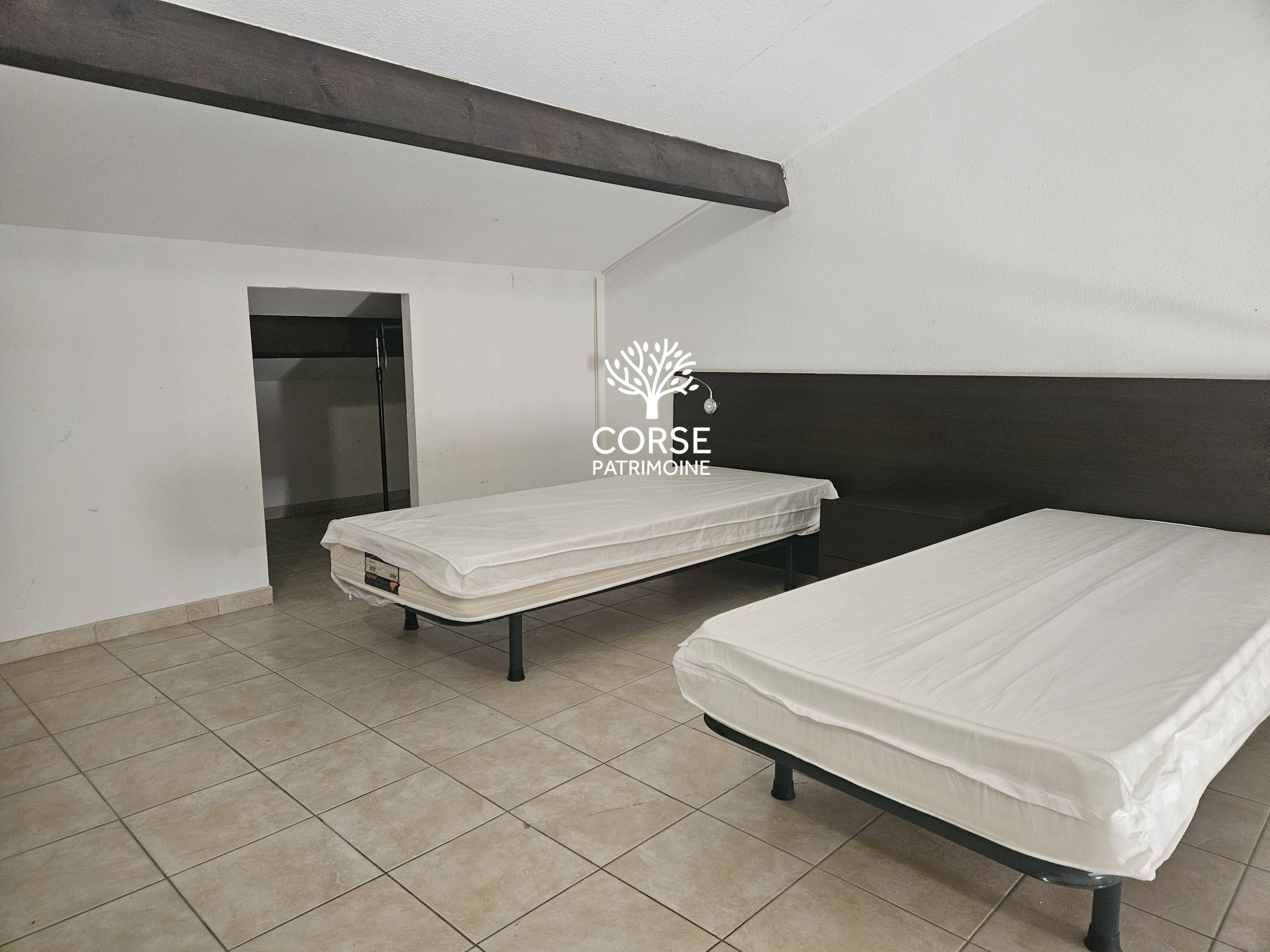
When one considers property investment in Corsica, thoughts often wander towards the prestigious villas of the Far South and the frenzy of seasonal holiday lets. Yet, a more wealth-focused, discreet and perhaps more sustainable approach warrants special attention: year-round buy-to-let investment in Bastia. Far from the summer hustle and bustle, the island's economic capital offers a stable market, underpinned by solid demographics and steady activity throughout the year. It is a connoisseur's choice, a commitment to the vitality of an authentic city and a region that thrives well beyond the months of July and August. This article aims to decipher the opportunities in Bastia, neighbourhood by neighbourhood, to inform the savvy investor's decision.
Bastia: An Underrated Economic and Cultural Hub
Bastia is much more than a mere gateway to Corsica. It is the economic powerhouse of the northern half of the island. Its commercial port, the largest in Corsica in terms of traffic, generates continuous activity. The city is also a major administrative centre, home to numerous government bodies and public services, as well as the headquarters of the Chamber of Commerce and Industry. This concentration of stable employment fosters a structural rental demand, made up of civil servants, private-sector executives, and self-employed professionals.
Added to this is a significant student population, thanks to a branch of the Université de Corse and various higher education institutions. These students look for accommodation, typically studios or compact one-bedroom units, for periods of ten to twelve months. Finally, Bastia's cultural life—with its theatre, museum, festivals, and bustling city centre around Place Saint-Nicolas—attracts residents who choose to live here for its quality of life. Unlike the markets in Calvi or Porto-Vecchio, rental demand in Bastia suffers no winter trough. It is linear, predictable, and reassuring for an investor seeking steady income.
Analysis of Bastia's Neighbourhoods: From the Prestige of the Citadelle to the Dynamism of Toga
Each neighbourhood in Bastia possesses its own distinctive soul and appeals to a specific profile of tenant. Understanding these nuances is the first step towards a successful investment.
- The Citadelle and the Vieux-Port: This is the historic heart, the character district par excellence. Apartments, nestled within centuries-old Genoese buildings, offer breath-taking views and authentic charm. It is an area highly sought-after by lovers of historic architecture, creative professionals, and couples without children. Yields are not always the highest due to the acquisition cost and potential renovation work, but the capital preservation value is exceptional. The trade-off: vehicular access can be challenging and parking is scarce, a factor that should not be overlooked.
- The City Centre (Boulevard Paoli, Rue Napoléon): Bastia's primary commercial and bourgeois thoroughfare. Haussmann-style buildings house spacious, high-ceilinged apartments. It is a prime location for families and senior executives who value proximity to shops, schools, and vibrant urban life. Demand is very strong here and rental vacancy is virtually non-existent for quality properties. A property here represents a safe bet and a cornerstone for any portfolio.
- Toga and the Fango: These more modern districts, located north of the centre, embody contemporary Bastia. Here you will find residential developments built from the 1980s to the present day, offering in-demand amenities: lifts, parking spaces, and terraces or balconies. Proximity to the Toga marina and straightforward access to main transport routes make this area a favourite among young professionals and families. Rental yields are often more attractive here, as the buildings—while less 'prestigious' than those in the historic centre—command solid rents thanks to the comfort they provide. This is the district for rental efficiency.
- The Heights (Cardo, Saint-Antoine): Rising onto the foothills of Mount Pigno, you will find more residential areas offering peace, quiet, and panoramic views over the Tyrrhenian Sea. Apartments here are often more spacious, occasionally within small co-ownership developments featuring shared gardens. This area appeals to families seeking tranquillity who are prepared to drive for their daily commutes. Investment here focuses on capital preservation, targeting long-term, stable tenants.
Calculating Rental Yield in Bastia: Looking Beyond the Gross Return
The appeal of an investment is frequently measured by its yield. In Bastia, for a one-bedroom (T2) or two-bedroom (T3) apartment in good condition, it is realistic to anticipate a gross yield ranging between 4% and 6%. This figure naturally varies according to the purchase price and the projected rent, which itself depends heavily on the neighbourhood and its features. A well-located one-bedroom flat in the centre will let for around €700-€800, whereas a two-bedroom unit with a terrace and parking in Toga can achieve €900-€1,000.
However, seasoned investors look beyond gross figures. Net yield, which accounts for all running costs, is the only true performance indicator. The following must be deducted from the annual rental income: local property tax (taxe foncière), non-recoverable service charges, landlord insurance costs (PNO), potential rental management fees, and a contingency for minor maintenance and rental vacancy (even though it remains low in Bastia, factoring in a cautious 2% to 3% is sound practice). Working alongside a local specialist, such as our team at Corse Patrimoine Immobilier, allows you to refine these calculations and establish a realistic business plan, well clear of empty marketing promises.
Taxation of Buy-to-Let Property: Optimising Your Investment
Choosing the right tax framework is just as critical as selecting the property itself. Unfurnished lettings fall under the French property income regime (revenus fonciers). This regime is beneficial for investors carrying out substantial tax-deductible renovation works or who already hold high property deductions. Furnished lettings, under the non-professional furnished landlord status (Loueur en Meublé Non Professionnel - LMNP), often prove more advantageous. The 'micro-BIC' regime provides a flat-rate tax allowance of 50% on gross rental income. The 'régime réel' (actual expenses regime), while more complex, allows you to depreciate the value of both the building and the furnishings, thereby offsetting tax on most, if not all, rental income for many years. This route requires meticulous bookkeeping but proves remarkably effective for building wealth under a gentle tax burden. It is essential to run projections for the various options according to your personal circumstances, ideally supported by a chartered accountant or a wealth manager who understands local financing solutions and tax optimisation.
Keys to a Successful Investment: Long-Term Vision and Asset Quality
Investing in Bastia for year-round rental is not a speculative venture; it is a wealth-building strategy. Success depends on a long-term perspective. It is not merely a matter of chasing the highest immediate yield, but of acquiring a property that will retain and grow its value over time. To that end, certain fundamentals never change: a prime location, freedom from neighbourhood nuisances, natural light, outdoor space (even a modest balcony), and increasingly, a dedicated parking space.
A well-maintained flat within a well-managed co-ownership property will attract high-calibre tenants who stay longer and look after the premises. This creates the virtuous circle of buy-to-let investment: lower vacancy rates, less wear and tear, and secured income streams. Prior to any purchase, it is vital to review the minutes of recent co-owners' general meetings to anticipate upcoming major works (facade restoration, roofing, etc.). To find out more, explore our detailed investment guides.
Bastia, through its economic structure and demographic foundations, offers fertile ground for those willing to look past conventional clichés. It is an insiders' market that rewards patience and thorough analysis. By selecting the right neighbourhood, choosing the appropriate property, optimising taxation, and implementing rigorous management, an investor builds a robust property portfolio that generates dependable income in the heart of one of the Mediterranean's most authentic cities. At Corse Patrimoine Immobilier, our expertise in the Bastia market goes far beyond raw numbers; it is rooted in an intimate understanding of its dynamics, helping you secure an accurate valuation and deliver a cohesive project.
Frequently Asked Questions About Property Investment in Bastia
What type of flat is most in demand in Bastia?
One-bedroom (T2) and two-bedroom (T3) flats are by far the most sought-after on Bastia's year-round rental market. A one-bedroom layout perfectly suits young professionals, couples without children, or single occupants. A two-bedroom unit is favoured by small families or couples who need a dedicated home office. Studio flats find ready tenants among the student community, but that market is narrower and more seasonal. Larger flats (three-bedroom and above) offer less liquidity and cater to a more restricted pool of applicants.
Should you choose a new-build or an existing property?
Both options have clear merits. Existing period properties, particularly within the Citadelle or the historic centre, offer distinctive character and prime locations that safeguard strong long-term capital value, although they can entail higher renovation expenses and maintenance charges. New-build or recent properties, primarily found in Toga or on the heights, deliver modern comfort, superior energy efficiency (an increasingly compelling selling point for tenants), and features such as parking spaces or terraces that have become virtually indispensable. Your choice will depend on your budget, your tolerance for renovation work, and your overarching investment strategy (immediate yield versus long-term capital preservation).
Is rental demand sustained throughout the entire year?
Yes, and this is Bastia's primary advantage compared with other towns on the island. Unlike seaside resorts such as Porto-Vecchio or Calvi, where the property market is heavily influenced by tourism, rental demand in Bastia is driven predominantly by year-round residents: working professionals, civil servants, and students. Market pressure is therefore constant, showing expected peaks at the start of the academic year in September and during the spring relocation season. For a quality, well-situated property priced correctly, rental vacancy remains exceptionally low.
Talk it through with a local expert
Our English-speaking negotiators answer within 24 hours, with real figures for your street and your project.
Contact us