Investing in Porto-Vecchio: Villa or Tourism Residence?
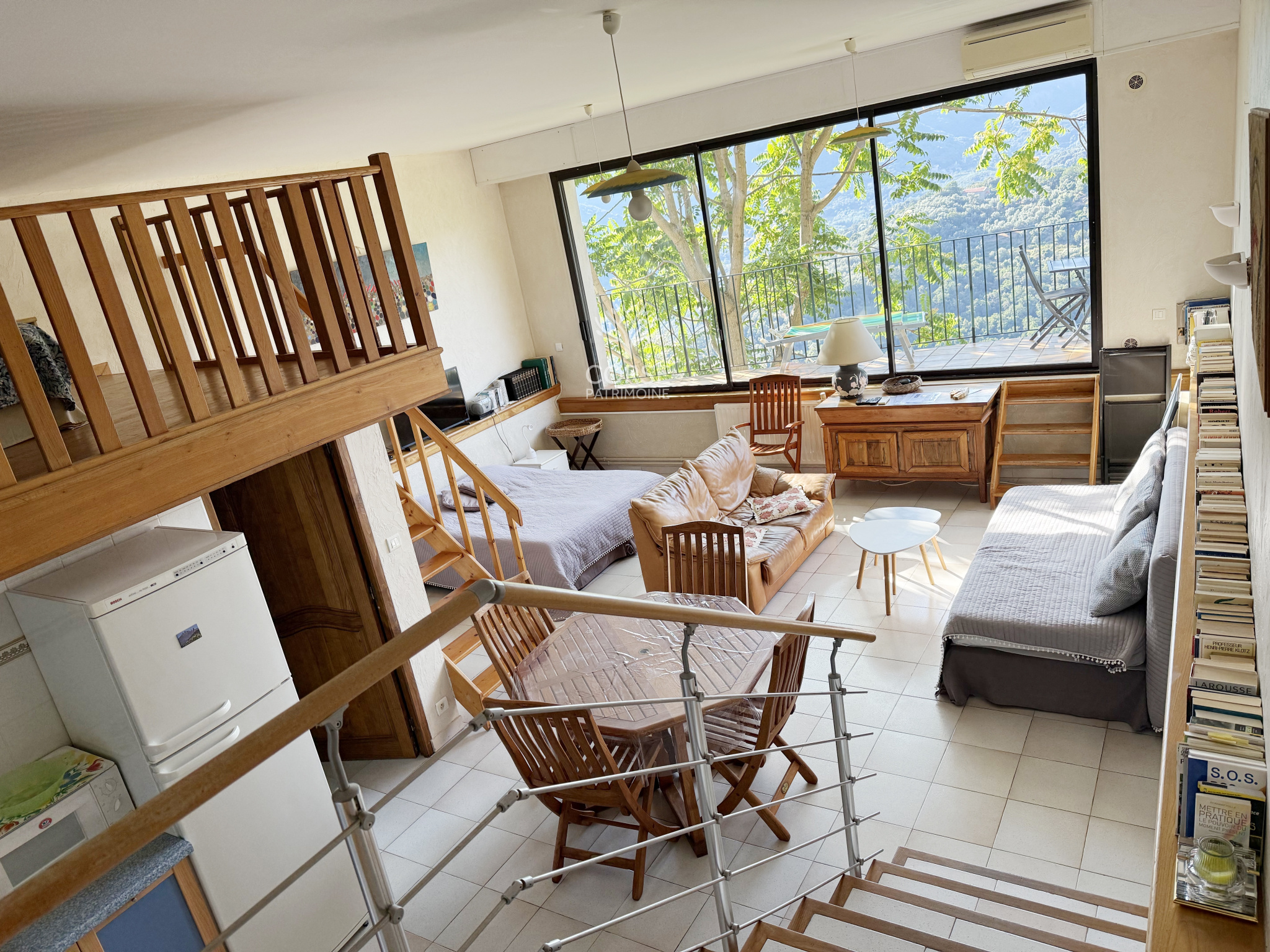
The appeal of Porto-Vecchio and its micro-region remains as strong as ever. Between iconic beaches, unspoilt hinterland and a unique art de vivre, Southern Corsica represents a distinctive, resilient and profoundly desirable property market. For the discerning investor, the question is no longer whether to invest, but how. Two main models stand out: purchasing a character villa, offering the promise of independence and long-term capital appreciation, or buying a property within a tourism residence (résidence de tourisme), synonymous with delegated management and structured returns.
This choice is far from trivial. It involves a long-term vision, operational constraints and radically different financial prospects. This article aims to break down, without jargon or artifice, the ins and outs of each option to help you make an informed decision aligned with your personal and wealth-management goals.
Rental Yield: Managed Security versus Maximised Potential
The primary criterion of an investment is often its profitability. On this point, villas and tourism residences offer two distinct philosophies.
The tourism residence: structured profitability
The tourism residence model is based on a simple principle: you purchase a furnished flat which you entrust, via a fixed-term commercial lease (generally 9 or 11 years), to a management company. The latter takes full charge of letting, upkeep and day-to-day management. In return, it pays you rent, often guaranteed, whether the property is occupied or not. The main advantage lies in visibility and peace of mind. The investor receives passive income without worrying about the uncertainties of seasonal letting.
Net yield, after deducting co-ownership charges and property tax (taxe foncière), generally falls within an estimated range of 3% to 5%. This figure, while reassuring, depends crucially on the financial stability and reliability of the operator. A thorough analysis of the management company is therefore a non-negotiable prerequisite before making any commitment. Moreover, this yield is often capped by the commercial lease and will only increase modestly over the years.
The villa: high gross yield potential
In contrast, a private villa offers significantly higher gross rental yield potential. An exceptional property, strategically located with views over the turquoise waters of Palombaggia or Santa Giulia, can generate very substantial rental income during the high season alone. It is not uncommon for gross summer income to represent 6% to 8%, or even more, of the property's purchase value. This performance is directly linked to the villa's ability to offer an exclusive experience: swimming pool, sea view, meticulous architecture, and proximity to key attractions.
However, this potential comes with a corollary: the absence of guarantees. The yield depends entirely on occupancy rates, market-accepted rates, and the quality of management. This gross figure must also be weighed against significant costs: concierge or letting management fees (often between 20% and 25% of collected rents), pool and garden maintenance, servicing, insurance, and of course, taxation. Net yield is therefore more complex to predict and requires greater involvement from the owner.
Management Constraints and Personal Use
Beyond pure yields, an investor's day-to-day experience is deeply shaped by this decision.
The tourism residence: simplicity above all
The primary selling point is peace of mind. The management company handles everything: from marketing on booking platforms to greeting guests, cleaning, and technical maintenance. For an investor living far from Corsica or wishing to have zero operational involvement, this formula is ideal. However, this simplicity comes at a cost: a loss of flexibility. The commercial lease drastically restricts personal use. This is often limited to a few weeks per year, and usually outside peak demand periods (July and August). You own a financial asset before owning a personal holiday retreat.
The villa: freedom has a price
Owning a villa means retaining complete freedom. You determine the letting schedule, the weeks reserved for family and friends, and the level of service you wish to provide. This autonomy is especially valuable in a region like Southern Corsica, where one also buys into an art de vivre. Being able to enjoy your home overlooking the golf course at Sperone in Bonifacio during the spring is a luxury that a tourism residence rarely allows.
This freedom entails active management. Either the owner handles it personally, which represents considerable work (marketing, contracts, logistics, etc.), or delegates it to a specialist agency or concierge service. At Corse Patrimoine Immobilier, we observe that this second option is favoured by the majority of our clients, who wish to combine freedom of use with professional management that ensures the profitability and long-term standing of their property. Seasonal villa rentals are also governed by local regulations that are essential to understand. To learn more, consult our guide to town planning and the PLU in Corsica.
Resale Potential and Capital Appreciation
A successful real-estate investment is also evaluated at the exit stage. Here again, the two models diverge.
The resale market for a property in a tourism residence is a niche market, primarily made up of fellow investors. The property's value is intrinsically linked to the profitability of the active commercial lease and the operator's reputation. A change of management company, a drop in yields or the imminent expiry of the lease can negatively affect the resale price. It is a less liquid asset than a conventional property, whose value is detached from emotional appeal and rests instead on financial ratios.
A villa, on the other hand, appeals to a much broader and deeper market. It attracts investors, second-home buyers, and sometimes even primary residence seekers. Its value is driven by timeless fundamentals: location, build quality, view, plot size, and tranquillity. A traditional shepherd's cottage (bergerie) authentically renovated or an architect-designed waterfront villa is a unique asset, a safe haven that tends to appreciate over the long term, often decoupled solely from rental yields. Emotion and exclusivity play a major role in its valuation, lending it greater resilience and higher capital gains potential. Understanding these market dynamics is crucial. For a detailed analysis, our page on property prices in Porto-Vecchio offers informed insights.
Taxation: A Decisive Consideration
The tax framework is a determining factor in net returns. Both options can benefit from the advantageous status of non-professional furnished let (Loueur en Meublé Non Professionnel - LMNP).
In the case of a tourism residence, LMNP status is virtually standard. Through the actual expense tax regime (régime réel), it allows you to depreciate the value of the property and furnishings. This accounting depreciation is deducted from rental income, frequently offsetting tax on this income for many years. Purchasing off-plan or newly built also enables VAT (20%) recovery, a considerable financial advantage.
For a villa let on a seasonal basis, the owner can choose between the micro-BIC regime (a flat-rate allowance of 50% on income) and the actual expense regime (régime réel / LMNP). For a prestige property generating substantial revenue and requiring costly maintenance, the actual expense regime is almost always more advisable. Like the tourism residence, it allows the deduction of all actual expenses and accounting depreciation. However, setting up and maintaining the accounting records is more complex and requires the guidance of a chartered accountant. Tax planning is an essential component of overall profitability. Our guide to property taxation in Corsica details these different regimes.
Conclusion: Defining Your Investor Priorities
Ultimately, there is no single answer. The choice between a villa and a tourism residence in Porto-Vecchio is a personal trade-off between security and potential, between peace of mind and freedom.
- A tourism residence caters to the investor seeking passive income, yield visibility and maximum tax optimisation with zero personal involvement. It is a financial investment before it is a lifestyle project.
- A private villa is the choice of the lifestyle-oriented investor: one seeking higher yield potential, strong long-term capital appreciation and, above all, the freedom to enjoy an exceptional property, even if it entails more active management or the costs of delegating it.
Investing in Porto-Vecchio is not just about figures; it is the acquisition of a share in the Corsican dream. Whether you are drawn to the simplicity of a managed flat or the distinctive character of a private estate, the essential thing is to align your choice with your wealth-management goals and your lifestyle. To assess a property's potential or discuss your investment project in Southern Corsica in greater detail, our team is at your disposal for a confidential, bespoke valuation.
Talk it through with a local expert
Our English-speaking negotiators answer within 24 hours, with real figures for your street and your project.
Contact us