Buying in Corsica: 5 Mistakes to Avoid
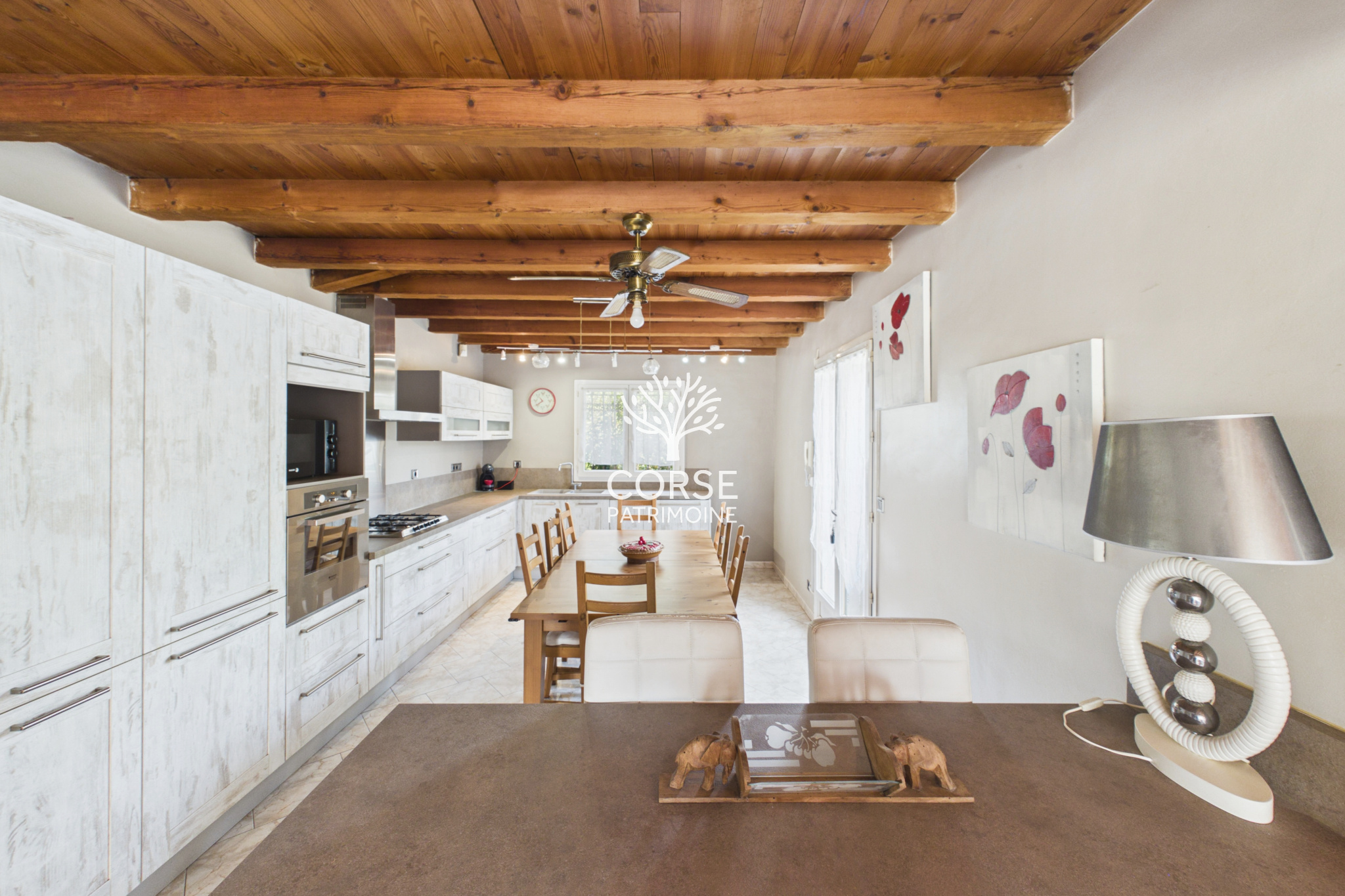
Acquiring a property in Corsica is far more than a mere transaction. It is access to an exceptional land, a lifestyle shaped by sovereign nature and a profound culture. Yet, if ill-prepared, this dream can run up against a complex reality unique to the island. The beauty of a wild cove or the breathtaking view from a sheepfold do not tell the whole story of a place. To ensure your project becomes a natural choice rather than a source of trouble, knowing which pitfalls to avoid is essential. It is not about giving up, but about stepping in with clear-sightedness, gauging the specificities of a property market unlike any other.
1. Underestimating land and planning complexities
The first mistake, and undoubtedly the one with the gravest consequences, is taking building eligibility for granted. Land pressure along the Corsican coastline is immense, and town planning regulations are particularly strict in order to preserve its unique landscapes. The famous loi Littoral, for instance, strictly regulates construction within the 100-metre coastal strip and beyond, particularly in sought-after areas such as the surroundings of Palombaggia in Porto-Vecchio or the domaine de Sperone in Bonifacio.
Never rely on a mere verbal assurance, however convincing it may sound. The only authoritative document is a recent, detailed operational planning certificate (Certificat d'Urbanisme opérationnel - CUb). This will inform you about the feasibility of your project, building rights, limitations, and applicable taxes. A plot may seem ideal to you, but the municipality's local urban plan (Plan Local d'Urbanisme - PLU) may have classified it as agricultural (A), natural (N), or protected (ZNIEFF, Natura 2000), making it effectively unbuildable. A casual glance at a map is not enough; a thorough analysis of the PLU, available at the town hall, is essential. Plots located in an "existing hamlet" or in "continuity of urbanisation" generally offer stronger guarantees, but every case is unique and warrants meticulous verification by professionals.
2. Overlooking the subtleties of indivision and title deeds
Corsica possesses a singular legal heritage, marked by a strong tradition of oral and family transmission. Consequently, a vast number of properties, particularly village houses in Sartène or family land, are held in indivision (joint ownership). This means the property is owned by multiple heirs (the co-indivisaires). For a sale to be possible, unanimity is the rule: the agreement of every single owner, without exception, is required. A single refusal, or even the inability to trace a distant heir, can stall a transaction indefinitely.
Furthermore, the clarity of title deeds is not always clear-cut. The consequences of the historic arrêté Miot, which long complicated inheritance taxation, are still felt today. Initiatives such as GIRTEC (Groupement d'Intérêt Public pour la Reconstitution des Titres de Propriété en Corse) were established to clarify these situations, but the process can be lengthy. Before committing, it is imperative that your notary conducts an exhaustive search into the property's root of title and the chain of successive owners. This is an absolute guarantee of security for your investment. A transparent legal status is the bedrock of a smooth purchase. You can consult our selection of trusted partners on our dedicated page for notaries in Corsica.
3. Neglecting the impact of seasonality on your project
Experiencing Corsica in August and envisioning year-round life there are two very different things. Seasonality sets an intense rhythm on the island and directly influences the viability of a property purchase. If your goal is a buy-to-let investment, do not be blinded by the high yields of the eight summer weeks. Analyse the potential of shoulder seasons (April-June, September-October) and the virtual absence of demand in the depths of winter, except in major urban centres such as Ajaccio or Bastia. Will a flat in Calvi, vibrant in summer, be equally appealing for a year-round let?
If you are looking for a primary or secondary residence, visit the property and its surroundings at different times of the year. An isolated hamlet near Propriano, so charming in summer, can find itself cut off from the world for a few days in winter. Are local shops open all year round? How does the house cope with winter humidity and salty sea spray? Seasonality also impacts maintenance: a coastal property requires constant upkeep, even when unoccupied, to combat corrosion and premature wear.
4. Forgetting ancillary costs and local market realities
The listed price of a property is only the tip of the iceberg. Beyond the acquisition fees (commonly known as "notary fees"), which account for a significant percentage of the sale price, other expenses must be anticipated. Renovation or construction work in Corsica generally costs more than on the mainland. Shipping materials by ferry, the scarcity of certain trade skills, and logistics across a sometimes hard-to-reach terrain generate additional costs that must be factored into your overall budget.
Likewise, the market must be approached with realism. In prime sectors, demand for quality properties (sea view, prime location, high-end appointments) far exceeds supply. Thinking one can aggressively negotiate the price of an architect-designed villa in Porto-Vecchio or a flat on the ramparts of Bonifacio is often an illusion. At Corse Patrimoine Immobilier, we observe that properties appraised at their fair market value find buyers quickly. Understanding local price dynamics is therefore crucial. To that end, resources such as our observatory of property prices in Ajaccio and other towns can prove useful.
5. Rushing in without the guidance of a local expert
Faced with these complexities, falling head over heels is the greatest hazard. The ultimate mistake would be attempting to carry out your project alone or with an adviser not specialised in the island market. An estate agency professional based in Paris or Marseille, however competent, will never possess the same depth of insight as an agency deeply rooted in the area. Knowing the subtleties of each municipality's PLU, having a network of trusted notaries, architects, and tradespeople, and understanding the history of a neighbourhood or the reputation of a development: that is the true added value of a local expert.
Such support is an investment in its own right. It will save you precious time, spare you costly administrative and legal setbacks, and ensure you pay the right price. Our intimate local knowledge, from Porto-Vecchio to Bastia through to the inland regions, allows us to provide the level of advice essential to the success of your project.
Conclusion: Turning the Corsican dream into a peaceful reality
Buying in Corsica is a wonderful adventure, provided it is approached with method and humility. Every potential mistake can be turned into a checkpoint that strengthens your project. In summary, the key to success comes down to three actions: anticipate, verify, and seek expert support.
- Anticipate seasonality and the true costs of setting up home.
- Verify planning and legal aspects scrupulously with qualified professionals.
- Surround yourself with local advice capable of deciphering the island's rules and opportunities for you.
The Isle of Beauty must be earned. In return, it offers a living environment of rare quality to those who take the time to understand it. Before embarking on your purchase in Porto-Vecchio or elsewhere on the island, knowing the true value of a property is the first step. Please do not hesitate to contact us to discuss your project or to request a confidential valuation of your future property.
Talk it through with a local expert
Our English-speaking negotiators answer within 24 hours, with real figures for your street and your project.
Contact us